
Published 21st Oct 2026
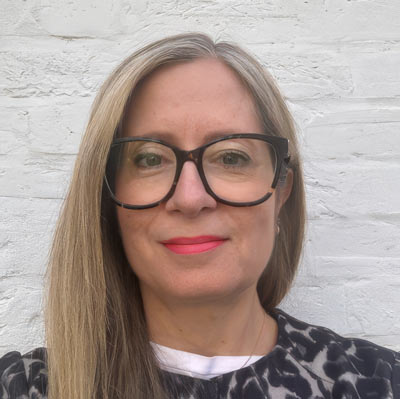
Speaker Jane Fordham
Reported on by Empower Mentee Sadia Tasmia, Senior Account Executive, Concito, Bangladesh
It is quite easy to spend a career being busy.
There are always deadlines, clients, meetings, campaigns, emails, people to manage and problems to solve. In communications especially, being good at getting things done can become its own kind of comfort. You know what needs to happen, you know how to make it happen, and then another task arrives.
But where does that leave the bigger question: where am I actually trying to go?
That was one of the questions behind Jane Fordham’s fourth GWPR Empower masterclass, focused on effective career planning and taking greater control of our career trajectories.
Jane, a culture and leadership consultant, coach, trainer and experienced board member with more than 25 years of experience across communications, people and organisational leadership, described the session as a practical hour to “lift your gaze” from day-to-day delivery and think more deliberately about the direction of our careers.
It was a useful reminder that career planning is not necessarily about having every next step figured out. It is about knowing where you are starting from, where you want to move towards, and what might need to change in between.
The first step, perhaps unexpectedly, was personal values.
Before the masterclass, we were asked to narrow a long list of values down to five or six that genuinely matter to us and then assess how closely our current lives and careers align with them. It sounds straightforward until you actually have to choose. When everything feels important, nothing really has priority.
That exercise set the tone for the rest of the discussion. A career plan is not only about titles, promotions or the next impressive line on a CV. It also has to make sense for the person pursuing it.
Jane then introduced the idea of looking honestly at the gap between where we are now and where we want to be. For someone who has spent most of their career in delivery, for example, the next step might require becoming more strategic. It could mean developing stronger commercial fluency, understanding the wider organisation, becoming more comfortable with senior stakeholders, or building skills that sit outside the technical communications toolkit.
That distinction felt particularly relevant to me. Sometimes the question we ask is, “What job do I want next?” A more useful question may be, “What would I need to be capable of before I could credibly do that job?”
And that requires a fairly honest assessment of where we are today.
This was where Jane made another point I found particularly useful: career planning should not be based entirely on how we feel about ourselves.
She spoke about the value of using actual evidence – 360 feedback, psychometric tools, strengths assessments, our CVs, KPIs, achievements and other feedback from people who have worked with us. Intuition has its place, but it can be a poor career adviser when it is mixed with self-doubt.
She described it almost like looking through the wrong pair of glasses. We can review our careers through an emotional lens and see every mistake, missed opportunity or moment of insecurity. Or we can step outside ourselves and look at the evidence.
What would we say about our career if we were looking at someone else’s CV rather than our own?
That question stayed with me.

Most of us are probably much better at recognising someone else’s achievements than our own. A colleague’s promotion becomes evidence of their capability. Our own promotion can sometimes feel like something we were simply expected to achieve.
Jane suggested treating the CV almost like a sat-nav: a record of where you have been that can help you understand where you are now and, from there, work out where you need to go next.
That also changes how we think about a CV. It is not just a document to update when a job application appears. It can be a useful piece of evidence in understanding our own trajectory – the patterns in our experience, the skills we have built, the responsibilities we have taken on and perhaps the areas where we have repeatedly avoided stretching ourselves.
The final part of the framework turned towards the people around us.
Jane encouraged us to think about our own “intentional board” – the people in our corner who play different roles in our development. A mentor, coach, cheerleader, trusted colleague, sounding board or someone who challenges our assumptions may each serve a different purpose.
I liked the word intentional here.
Most of us have people we can turn to, but there is a difference between having a network and deliberately building one around the career we want. The person who knows us well may not be the person who can give us technical advice. The person who encourages us may not be the person who will tell us what we need to hear. We may need both.
By the end of the session, career planning felt less like trying to predict the future and more like paying attention to the present.
What do I value? What evidence do I have about what I’m good at? What am I missing? What kind of work do I want to move towards? And who can help me get there?
None of these questions is particularly complicated on its own. The difficult part is actually making time to answer them when there is always another email, deadline or meeting waiting.
Perhaps that is the real value of a masterclass like this one. For an hour, Jane gave us permission to stop looking at the next task and look a little further ahead.
Not with a perfectly mapped-out five-year plan, but with a clearer sense of direction.
And sometimes, that may be enough to get the journey moving.
––––––––––––––––––––
This piece is drawn from the fourth masterclass in the Global Women in PR 2026 Mentorship Series.


